

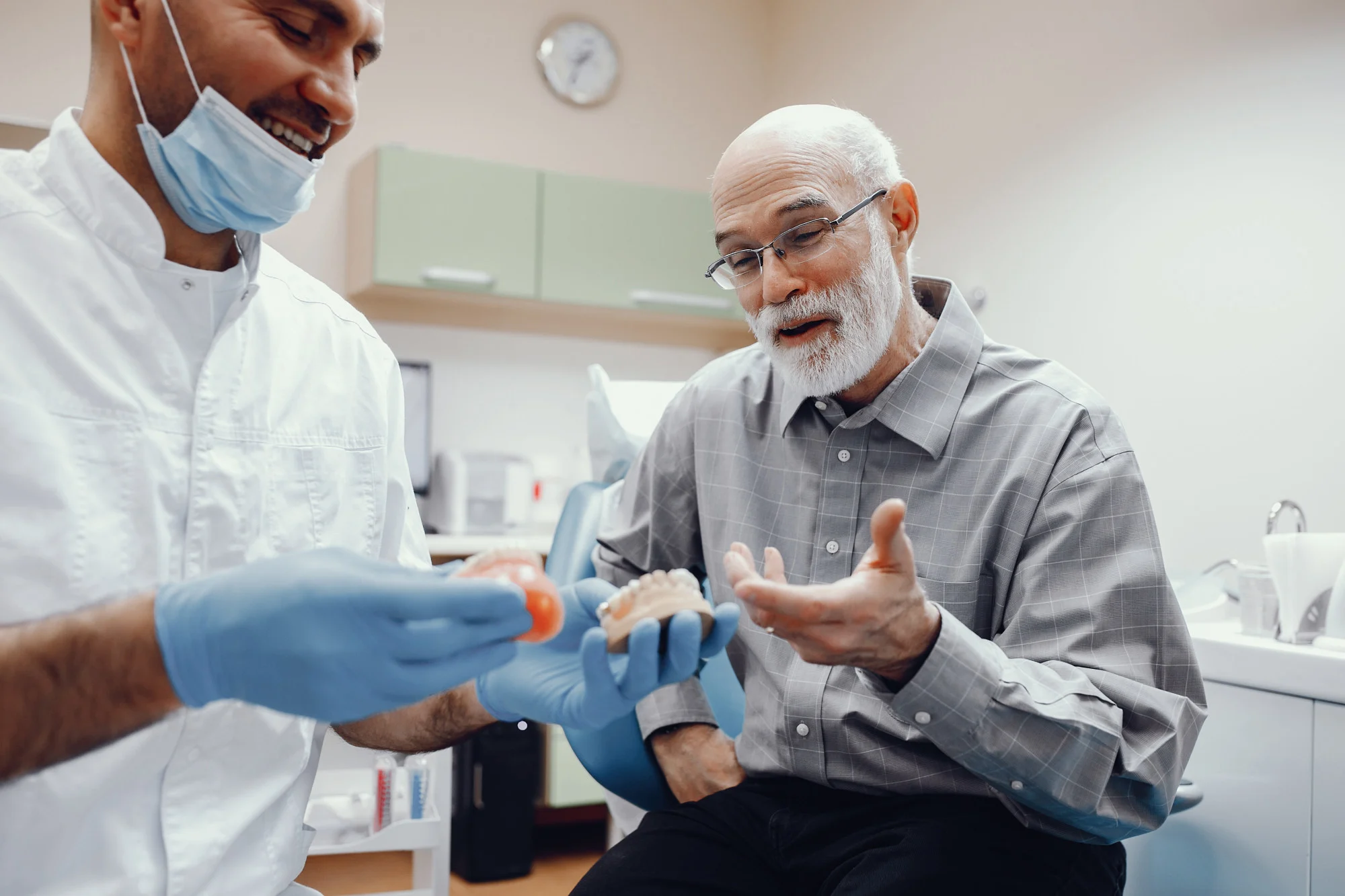
Missing a tooth can make it hard to chew your favourite foods. It can also change the way you smile. A dental bridges in Okanagan Falls is a dental solution that replaces a missing tooth by connecting a artificial tooth to the healthy teeth next to it. But if you get one, you probably want to know: how long will it stay strong and functional?
Let’s look at the facts about the average lifespan of dental bridges and how to extend it so your smile stays bright for a long time.
What is a Dental Bridge?
A dental bridge is a dental restoration used to replace missing teeth. It includes one or more false teeth, called pontics, that are held in place by nearby teeth or dental implants. The teeth on either side of the gap are called abutment teeth.
A dentist may recommend a bridge when a patient loses a tooth due to decay, trauma, or gum disease. If you are looking to replace a missing tooth, finding a dental clinic near you is the first step to determine whether this treatment is right for your mouth.
The Average Lifespan of a Dental Bridge
On average, a standard dental bridge lasts anywhere from 5 to 15 years. Some bridges can even last over 20 years.
Why is there such a big difference in time? It mostly depends on how well a person cleans their mouth and on the materials used to make the bridge, such as porcelain or metal.
| Type of Dental Bridge | Average Lifespan | Main Material Used |
| Traditional Bridge | 5 to 15+ Years | Porcelain fused to metal or ceramic |
| Cantilever Bridge | 5 to 10 Years | Ceramic or acrylic with metal |
| Maryland Bonded Bridge | 5 to 8 Years | Resin supported by a metal frame |
How Long Do Dental Bridges Last with Proper Care?
A very common question for dental patients is, ” How long do dental bridges last with proper care? The answer is simple: they can last a very long time if the mouth stays clean.
The bridge itself is made of strong materials that cannot get cavities. However, the natural teeth beneath dental crowns can still develop tooth decay. If the anchor teeth get sick, the whole bridge will fail. This is why daily cleaning is so important.
What Factors Affect the Lifespan of Dental Bridges?
A bridge does not just stop working on its own. Specific things cause a bridge to fail over time.
1. Tooth Decay Under the Crown
Even though the fake tooth cannot get a cavity, the real teeth holding it up can. If bacteria slide under the dental crown, the natural tooth will decay. If that tooth gets weak, the whole bridge falls out.
2. Bone Loss and Gum Disease
Your gums and jawbone hold your teeth in place. If you get gum disease (periodontitis), your gums pull away from the teeth. Without strong bone support, the bridge becomes loose.
3. Daily Wear and Tear
Chewing puts pressure on your teeth. If you bite down on very hard objects, like ice or hard candy, the porcelain material can crack or chip.
4. Poor Oral Hygiene
Brushing and flossing every day are important for keeping a dental bridge clean. Food and plaque can collect around the bridge and near the gums. If the area is not cleaned properly, it can lead to cavities, gum infection, and bad breath. Healthy gums and teeth help the bridge last longer.
5. Teeth Grinding or Clenching
Some people grind or clench their teeth while sleeping. This habit is called bruxism. Grinding places extra pressure on the dental bridge and supporting teeth. Over time this can damage the bridge or cause cracks in the material. A dentist may recommend a night guard to protect the teeth and bridge.
How Do I Maintain Dental Bridges for Maximum Longevity?
You have a lot of control over your smile. If you want to know how long dental bridges last with proper care, the secret is simple: excellent oral hygiene.
Here are the best dental bridge lifespan and maintenance tips:
- Brush twice a day: Use a soft-bristled toothbrush and fluoride toothpaste to clean all sides of the bridge.
- Use a floss threader: Normal dental floss cannot go through the top of a bridge. A floss threader helps you slide the floss underneath the fake tooth to clean out trapped food.
- Avoid hard foods: Do not chew on ice, pens, or hard nuts.
- Visit a dental clinic near you: Regular dental cleanings allow a professional to scrape away plaque that your toothbrush misses.
Getting a Dental Bridge Near You
If you have a gap in your smile, getting dental bridges in Okanagan Falls can restore your ability to chew and speak clearly. A professional team will examine your jawbone and surrounding teeth to create a custom treatment plan.
Getting dental bridges near you helps keep your remaining teeth from shifting out of their correct positions. For residents, choosing dental bridges means receiving dedicated, long-term care close to home.
Fill the Gap in Your Mouth with Dental Bridges
Missing teeth can make eating and speaking difficult. At Okanagan Dental, we provide dental bridges to replace missing teeth and restore your smile. A dental bridge helps fill the gap and prevents nearby teeth from shifting. Our team uses strong, natural-looking materials to enhance comfort and functionality. Dental bridges can also help you chew food better and speak more clearly.
Contact us today to book your visit to Okanagan Dental. Our team is ready to help you smile with confidence again.
Restore your smile – get directions to Okanagan Dental today.
Frequently Asked Questions
How many years can a dental bridge last before it needs to be replaced?
A dental bridge usually lasts between 5 and 15 years. With excellent oral hygiene and regular dental checkups, a high-quality bridge can last 20 years or more before needing replacement.
What factors affect the lifespan of dental bridges?
The main factors include oral hygiene, the strength of the supporting teeth, gum health, and diet. Smoking, teeth grinding (bruxism), and eating very hard foods can also shorten the lifespan of a bridge.
Can a damaged dental bridge be repaired, or does it need to be replaced?
If the porcelain chips slightly, a dentist in Okanagan Falls can smooth it down or repair the surface. However, if the supporting teeth under the crowns have decay or if the metal framework breaks, the entire bridge must be replaced.
How do I maintain dental bridges for maximum longevity?
Brush twice daily with fluoride toothpaste and use a floss threader or interdental brush to clean underneath the artificial tooth. It is also important to visit a dentist twice a year for professional cleanings.
Does getting a dental bridge hurt?
The dentist numbs the area with a local anesthetic before shaping the teeth, so you will not feel pain during the procedure. Your gums might feel a little tender for a few days afterward, but this goes away quickly.
 Call Now