

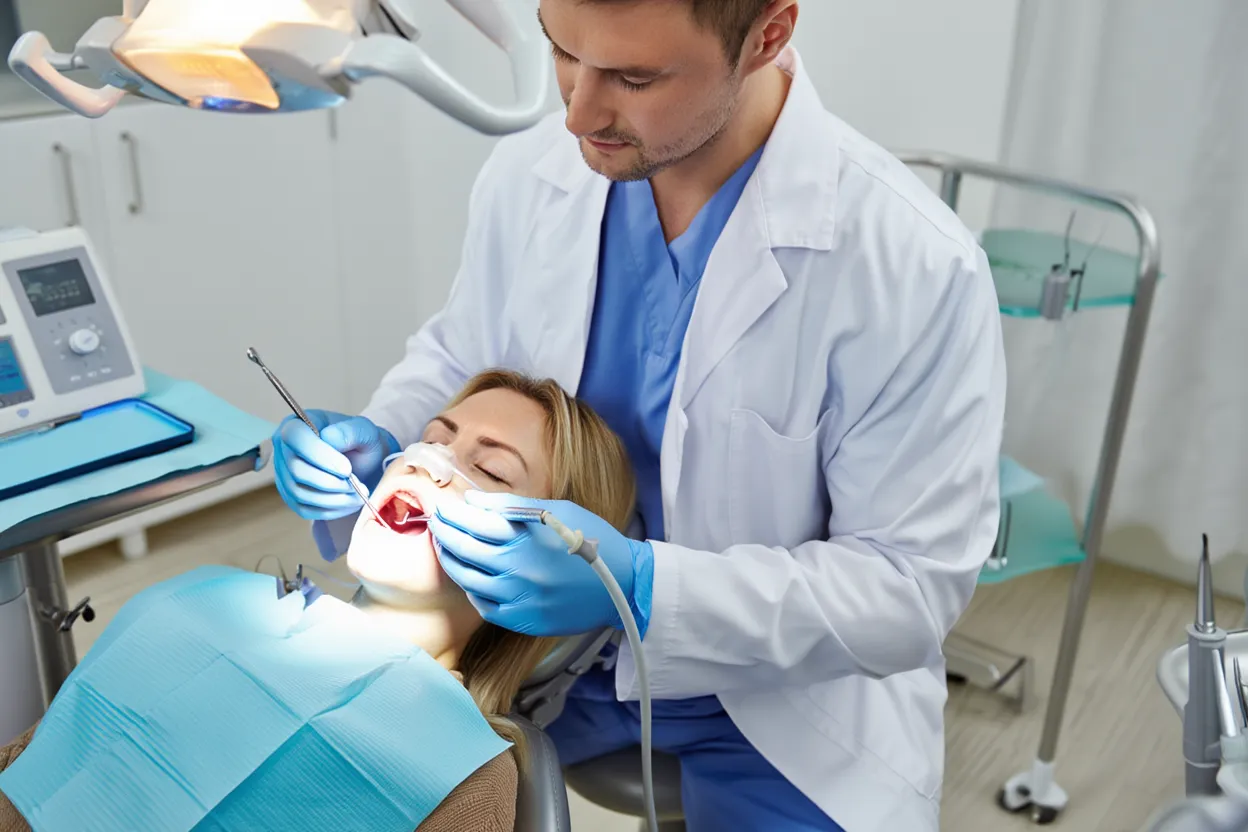
At the dentist, anxiety is a common occurrence due to procedures, like drilling, injections and long periods in the chair. If the nervousness kept you from visiting a dentist in Okanagan Falls, sedation dentistry could help you get the comfort you need. But how safe is it, and who can benefit from it? Let’s break it down.
Understanding Sedation Dentistry and Its Safety
Sedation lets you relax while having your teeth fixed. There are techniques designed to keep you calm, whatever your level of anxiety or dental phobia. If you want sedation dentistry near you, you will find that this type of care is quite common and usually safe when given by a qualified professional.
The sedative used, the patient’s medical condition and the quantity of the sedatives all play a role in determining the safety of the process. Your dentist checks your medical history, allergies, and medications to determine if you are a good candidate for sedation dentistry.
Types of Dental Sedation and Their Safety
There are various ways to sedate dental patients, from mild relaxation to deeper sedation—the most common types of dental sedation and their safety levels.
- Nitrous Oxide (Laughing Gas):
This is a mild sedative inhaled through a mask. It wears off quickly, so it is safe for most adults and children. You can typically drive home afterwards.
- Oral Sedation:
When taken by pill, this method decreases anxiety while keeping you awake. It’s safe when properly dosed and monitored. Someone will need to drive you home after the appointment.
- IV Sedation:
Ideal for longer or more complex procedures. It works quickly and allows precise control. It requires monitoring by trained professionals.
It is safe to sedate a patient unless they have any medical issues, allergies, or medications that may need a different approach. Consulting with your dental provider is essential before proceeding with treatment.
Who Can Benefit from Sedation Dentistry?
People who can benefit from sedation dentistry in Okanagan Falls include those who.
- Experience intense dental fear or anxiety
- Have a low pain threshold
- Require lengthy or multiple treatments in one sitting
- Suffer from sensitive gag reflexes
- Have difficulty sitting still due to disabilities or muscle conditions
Learn who can benefit from sedation dentistry to put nerves at ease and make sure patients are getting the care they need.
Is Sedation Dentistry Safe for Everyone?
Not everyone is a candidate for sedation, although for most patients it is safe. Not suitable for pregnant women, patients with serious respiratory problems, or anyone allergic to sedatives. Your dentist reviews your health history to provide you with the right care.
Sedation Dentistry for Children and Seniors
Many children are safely and successfully sedated for fillings, extractions or complex treatments. Seniors can get sedated as long as they are evaluated for their medical conditions and current medications.
Whenever you search for a dental clinic near you, make sure you look for one that performs proper monitoring during the visit.
Conclusion
Sedation dentistry can help minimise anxiety, make treatment less uncomfortable, and ease complex procedures. If you need extensive treatments or are nervous about other dental work, sedation may help alleviate your fear. The Okanagan Dental (Okanagan Falls) offers sedation dentistry that’s safe and reliable, but also professional dental care. Schedule your appointment today.
? Planning your appointment? Tap here to find the fastest route to Okanagan Dental.
FAQs
- What types of sedation are used in dentistry?
Nitrous oxide (laughing gas), oral sedation, and IV sedation are the most common forms. Your dentist will help you choose the best option according to your health. - Is sedation dentistry safe for children and seniors?
Sedation dentistry is safely used for kids and seniors, yes. The past medical history is evaluated, and the dentist further inquires. - How should I prepare for a sedation dental appointment?
Follow all pre-appointment instructions. You may need to avoid eating or drinking for a set time. If you are sedated with pilos or IV, arrange your transport. - What are the side effects of dental sedation?
Feeling sleepy, having a dry mouth, and being a little dizzy are common. Most effects wear off within a few hours.
 Call Now